Water Damage Restoration in El Cajon, CA
Water damage restoration in El Cajon, CA starts with a fast response and a proper understanding of the city. El Cajon is our next-door neighbour to the east of La Mesa and the largest city in East County, with around 106,000 residents at the 2020 census. It has the strongest demand of any of our service areas, and for good reason: the city holds one of the oldest and largest housing stocks in the region, from 1940s homes near downtown and Main Street to 1960s and 1970s ranch homes in Fletcher Hills and Granite Hills, to newer homes around Rancho San Diego.
La Mesa Water Damage Restoration serves the whole of El Cajon in ZIP codes 92019, 92020 and 92021, from Fletcher Hills in the west to Granite Hills in the east, from Bostonia in the north to Rancho San Diego and Jamacha in the south. Whether a supply line has burst overnight in a downtown home, a hillside lot in Fletcher Hills is taking on water after a storm, or a slow leak has soaked a ceiling in a Granite Hills ranch for weeks, we are ready to help.
What water damage restoration covers in El Cajon
Water damage restoration in El Cajon covers the full job, from the first call to the finished repair. It starts with emergency water extraction, then moisture mapping to find water hidden inside walls and under slab flooring, then structural drying with air movers and dehumidifiers, then cleaning and treatment of affected surfaces, and finally repair of the drywall, flooring and trim that could not be saved. Mold remediation sits inside the same job where slow leaks have left mold behind, and every step is documented with moisture maps, drying logs and photographs for your insurance claim.
That full scope matters in El Cajon because so much of the damage here is hidden. A burst line in a 1940s home near Main Street can soak a wall cavity for days before it shows. A slab leak in Fletcher Hills can spread under flooring across two rooms. Storm water on the valley floor can enter through more than one point. A service that only extracts the visible water and leaves the rest behind is not a restoration, and the damage it misses is the damage that comes back as mold, warped flooring and soft drywall. Mitigation is the emergency phase of that job: extraction, removal of what cannot be saved and drying to the goal. Rebuild is what follows, replacing drywall, flooring and trim after the structure is confirmed dry.
Signs you need water damage restoration in El Cajon
Call us if you notice any of these in your El Cajon home or business:
- A warm spot on tile or a damp patch on carpet, often the first sign of a slab leak in a Fletcher Hills or Granite Hills ranch home.
- A water bill that has crept up without a change in use.
- A musty smell, soft or bubbling paint, or a stain spreading across a ceiling or wall, all common in older homes near downtown where leaks run inside walls for weeks.
- Flooring that has lifted, cupped or buckled, or baseboards pulling away from the wall.
- Water pooling on a valley-floor lot after rain, or dampness in a ground-floor room or garage that returns after every storm.
- A ceiling stain that appears days after rain, often from a roof leak or HVAC condensate from an attic air conditioning drain leak.
You do not need to be sure what caused it before you call. Tell us what you can see and where you are in the city, and we will check the rest when we arrive.
Why water damage happens in El Cajon
El Cajon sits in a valley ringed by hills, about 17 miles east of downtown San Diego, and that valley setting shapes the water damage we see here. The name itself comes from the Spanish El Cajon, meaning the box, and the city does sit like a box between the hills, with Interstate 8 and State Route 67 crossing at the valley centre.
The first problem is the age of the housing. El Cajon has some of the oldest post-war housing in the county. Homes near downtown and along Main Street date back to the 1940s and 1950s, with original plumbing that has now served for seventy years or more. Galvanised supply lines corrode and fail at joints. Cast iron drains crack and back up. A small drip behind a wall can run for weeks before anyone notices it, and by then the drywall is soft, the framing is wet and mold has a foothold.
The second problem is the mid-century housing on the hillsides. Fletcher Hills and Granite Hills are full of 1960s and 1970s ranch homes on larger lots, many of them built on concrete slabs with copper supply lines running underneath. That copper is now past its reliable service life, and slab leaks are a regular pattern across both neighbourhoods. Water under flooring needs proper mapping and patient drying, because it spreads under the slab and into adjoining rooms before it ever shows on the surface.
The third problem is the valley floor itself. The centre of El Cajon is flat valley ground, and winter storms shed runoff off the surrounding hills and pond it along low ground. Homes on the valley floor in Bostonia and downtown can take on water from the street and the lot during heavy rain, while hillside homes above them deal with drainage systems that have aged out. Area drains clog with silt, French drains fail, and grading that once pushed water away from a foundation has been changed by decades of landscaping and hardscape work.
El Cajon also runs hotter than coastal San Diego, and that heat works on plumbing and roofing year round. Attic-mounted air conditioning units, older water heaters in garages, and flat or low-slope roof sections all see more stress here than they would closer to the coast.
Common water damage causes in El Cajon
The jobs we see most often in El Cajon fall into a few clear patterns, and each one needs a different response.
Aging supply lines in older homes. In the 1940s and 1950s homes near downtown and along Main Street, and in the older streets of Bostonia, supply lines fail without warning. A hot-side line bursts overnight and floods a kitchen or bathroom. A slow joint leak soaks a wall cavity for weeks. The cleanup is the same in every case: stop the water, extract what is standing, map the moisture, dry the structure, and then repair what cannot be saved.
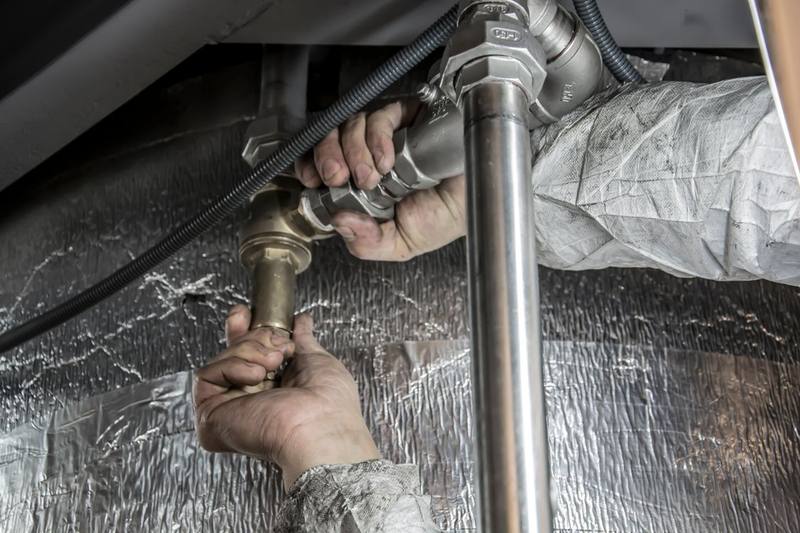
Water damage from slab leaks in Fletcher Hills and Granite Hills. Copper lines under the concrete slabs of 1960s and 1970s ranch homes wear thin and leak under the flooring. Warm spots on tile, damp carpet, a water bill that has crept up: these are the usual signs. We map the wet area, remove the flooring that has to come up, dry the slab and the structure, and rebuild afterwards. The pipe repair itself is work for a licensed plumber; we restore everything the water touched.
Hillside drainage failures. Homes on graded lots in Fletcher Hills and Granite Hills depend on drainage that pushes water away from the foundation. When area drains clog or grading fails, water enters slowly, often days after the rain has stopped. The damage is found late, which is why moisture mapping matters so much on these jobs.
Irrigation leaks on hillside lots. Sprinkler and yard lines on graded lots in Fletcher Hills and Granite Hills can soak the uphill wall and the slab edge, and the damage often shows as dampness at the base of a wall rather than standing water. We map the wet area, dry the structure and rebuild afterwards. The irrigation line itself is work for an irrigation specialist, not a restoration crew.
Storm runoff and valley floor ponding. Winter storms from December to March bring the heaviest demand. Runoff comes off the hills fast and ponds along low ground in the valley centre. Ground-floor rooms, garages and converted spaces take the worst of it, and the water is often contaminated, which changes how it must be handled.
Commercial losses along Main Street and Broadway. Downtown El Cajon and the Broadway corridor hold shops, offices and multi-family buildings, many of them in older structures. A burst line above a shop can close the business below it, and a roof leak over a restaurant or office needs a fast, documented response so the business can reopen.
Neighbourhoods we serve in El Cajon, CA
We work across the whole city, in ZIP codes 92019, 92020 and 92021.
- Fletcher Hills: Hilltop ranch homes on the western side of the city, straddling the La Mesa boundary. Mid-century slabs, hillside drainage and copper supply lines are the typical patterns here.
- Granite Hills: Established, quiet residential streets on the eastern hills. Larger lots, older ranch homes and hillside grading that needs attention after storms.
- Bostonia: Central, accessible neighbourhoods on the valley floor, with a mix of older homes and multi-family buildings.
- Downtown El Cajon: The urban centre around Main Street and the Prescott Promenade, with the oldest housing in the city and a dense mix of shops, offices and apartments.
- Rancho San Diego: Master-planned homes to the south-east, including newer construction alongside older streets.
- Crest: Semi-rural homes on the eastern edge, with larger lots and hillside access.
- Jamacha: Estate-style lots in south El Cajon, where larger properties mean larger drying jobs when water gets in.
- Winter Gardens and Dehesa: Communities on the eastern and southern edges of our coverage, with a mix of ranch homes and rural properties.
- Chase Avenue and Avocado Vista: Family neighbourhoods in the central and northern parts of the city.
If your street is not listed here, call us anyway. We serve every address in 92019, 92020 and 92021.
Water damage restoration services in El Cajon, CA
Every service we offer in La Mesa is available in El Cajon. The services below are the ones El Cajon homeowners and businesses call for most often.
Emergency Water Extraction
Standing water removed fast, day or night, with truck-mounted and portable extraction units. In El Cajon this is often the first call after a burst line in an older home or storm water on the valley floor.
Learn more →Burst Pipe Water Damage Cleanup
Cleanup, drying and restoration after a burst supply line. We restore the damage; a licensed plumber handles the pipe itself.
Learn more →Storm & Flood Water Damage
Winter runoff, hillside flooding and storm-driven water, including roof leaks and hillside drainage problems in Fletcher Hills and Granite Hills.
Learn more →Sewage Backup Cleanup
Safe Category 3 cleanup, removal of what cannot be saved, and sanitising of affected areas.
Learn more →Ceiling Water Damage Repair
Drying and repair for ceilings damaged by leaks from above, including bathroom, supply line and air conditioning drain leaks. Attic-mounted units are a common source in El Cajon.
Learn more →Mold Remediation
Containment and removal of mold after water damage, with mold testing and mold inspection as part of the process. Mold can start within 24 to 48 hours of water exposure, so a slow leak found late often needs remediation as well as drying. Slow leaks in older El Cajon homes are a common cause.
Learn more →Structural Drying & Dehumidification
Drying the structure itself, not just the surface, with air movers and dehumidifiers held to a measured drying goal.
Learn more →Carpet & Floor Water Damage
Carpet, hardwood, laminate and tile drying, with honest advice on what can be saved and what must go.
Learn more →Water Damaged Drywall Repair
Drywall removal and replacement after water damage, including careful work in older homes where original finishes matter.
Learn more →Commercial Water Damage Restoration
Water damage restoration for shops, offices and multi-family buildings, including the Main Street and Broadway corridors.
Learn more →See all of our services on our services page.
How a job works in El Cajon
Every job follows the same careful order, because the order is what separates a finished dry-out from a cosmetic one.
If water is spreading now, a few first-hour steps help before the crew arrives. Shut off the water at the main valve if you can reach it safely, and turn off power to wet rooms only if the panel itself is dry. Keep clear of standing water near outlets, cords and appliances. Photograph every wet room before anything is moved, and lift rugs, boxes and soft furnishings off the floor.
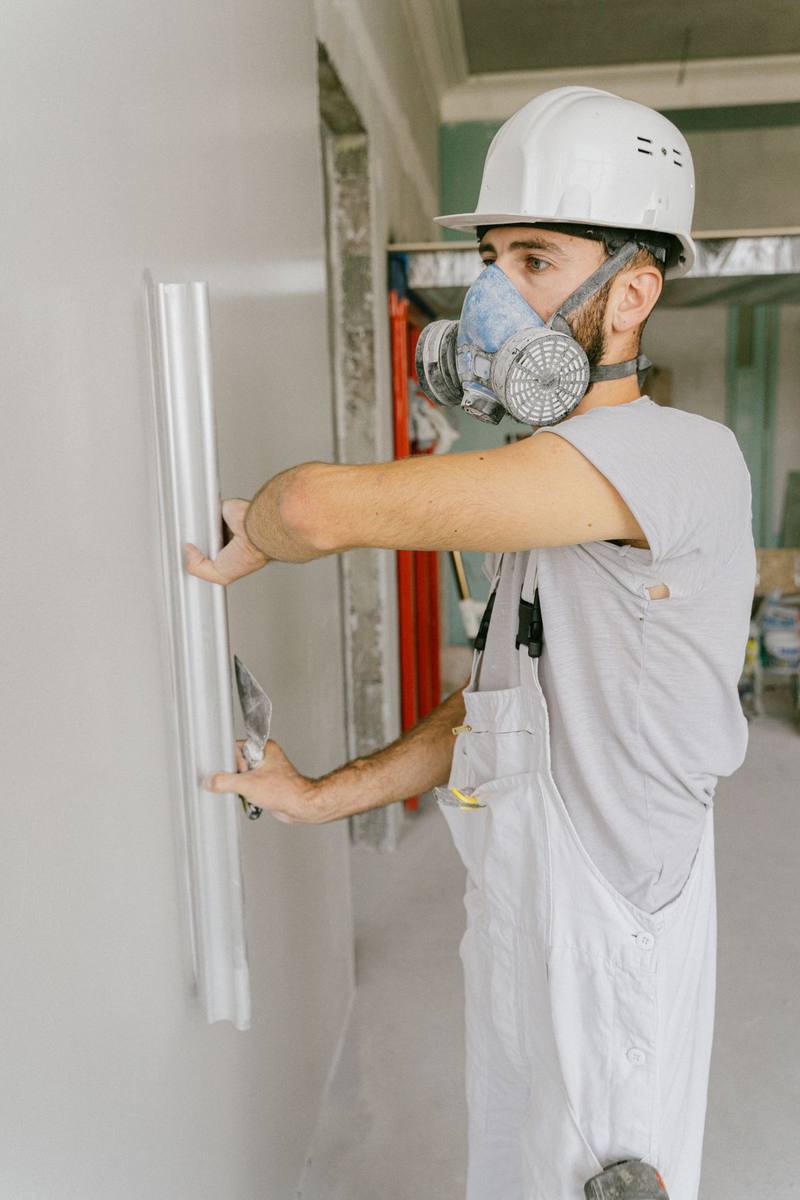
First, you call and tell us what happened, which rooms are wet and what kind of water it is. We ask the right questions so the crew arrives with the right equipment for your part of the city. A hillside home in Granite Hills needs different attention from a downtown apartment, and a slab leak in Fletcher Hills is a different job from storm water on the valley floor.
Our technicians walk the property and map wet materials with moisture meters and thermal imaging before any equipment goes down. This matters more in El Cajon than in most places, because so much of the damage here is hidden: water under slab flooring, water inside walls from a slow joint leak, water that entered days after the rain. You see the full scope before work starts.
Standing water is removed with truck-mounted and portable extraction units. Materials soaked by contaminated water, or damaged beyond drying, are removed and disposed of properly. Air movers and LGR dehumidifiers are set to each room and monitored with daily moisture readings, and equipment stays until readings confirm the structure is dry, not just until it looks dry. The class of the loss, from a contained one-room loss to water spread under slab flooring, sets how much equipment a room needs, and equipment comes out when readings sit close to a dry reference taken from an unaffected part of the home, not on a fixed date. Affected surfaces are cleaned and treated, and mold prevention is part of the process from the start. Drywall, flooring, baseboards and trim are then replaced to bring the space back to its condition before the water event. Moisture maps, daily moisture and psychrometric readings, drying logs and photographs are recorded throughout, so you have a complete file for your insurance claim.
Why choose La Mesa Water Damage Restoration in El Cajon
- Local knowledge of El Cajon. We work from the housing and terrain of each neighbourhood, so a slab leak in Fletcher Hills, a hillside drainage failure in Granite Hills and storm water on the valley floor each get the right response.
- Moisture mapping before drying starts. Meters and thermal imaging show the full scope, including water hidden under slab flooring and inside walls, before any equipment goes down.
- Measured drying, not guesswork. Air movers and LGR dehumidifiers stay until daily moisture readings confirm the structure is dry.
- Full documentation for your claim. Moisture maps, daily moisture and psychrometric readings, drying logs and photographs are recorded throughout, so you have a complete file for your insurer.
- One team from extraction to rebuild. The same crew that extracts the water dries the structure and repairs the drywall, flooring and trim afterwards.
- Clear arrival windows. El Cajon is our next-door neighbour to the east, so tell us your address when you call and we will give you an honest arrival window.
Frequently asked questions
El Cajon is our next-door neighbour to the east, and it is the closest of our outlying service areas. Response time depends on traffic on Interstate 8 and how many emergencies are running, but El Cajon jobs are normally reached quickly. Tell us your address when you call and we will give you an honest arrival window.
Older homes do tend to hide more damage, because leaks can run inside walls for weeks before they show. That is why we map moisture before we start, rather than guessing. The age of the home does not change the process, but it does change how carefully we check.
Yes. We handle the water damage a slab leak causes, which is common in both neighbourhoods. We map the wet area, remove the flooring that has to come up, dry the slab and the structure, and rebuild afterwards. The pipe itself is work for a licensed plumber; we handle everything the water touched.
Yes. Our commercial water damage restoration service covers shops, offices and multi-family buildings, and we work around opening hours where possible so a business can reopen sooner.
Many sudden and accidental losses, such as a burst supply line, are often covered after your deductible. Rising storm water usually falls under flood cover, and slow leaks or sewer backups may be excluded. Cover depends on your policy, so check with your own insurer. We document everything so you have a complete claim file.
Yes. Attic-mounted air conditioning units are a common source of ceiling leaks in El Cajon, where the heat works on drain pans and condensate lines year round. We dry the attic and the ceiling properly, including the insulation and framing above the stain, rather than painting over it.
Yes. We cover the whole of El Cajon in ZIP codes 92019, 92020 and 92021, including Crest, Rancho San Diego, Jamacha, Winter Gardens and Dehesa on the eastern and southern edges of the city.
Water damage in El Cajon? Call now
If water is spreading through your home or business in El Cajon, CA, do not wait for it to dry on its own. Call La Mesa Water Damage Restoration now and tell us what has happened and where you are. We will talk you through the first steps and arrange help.
[PHONE NUMBER] Call Now: [PHONE NUMBER]