Storm and Flood Water Damage in La Mesa, CA
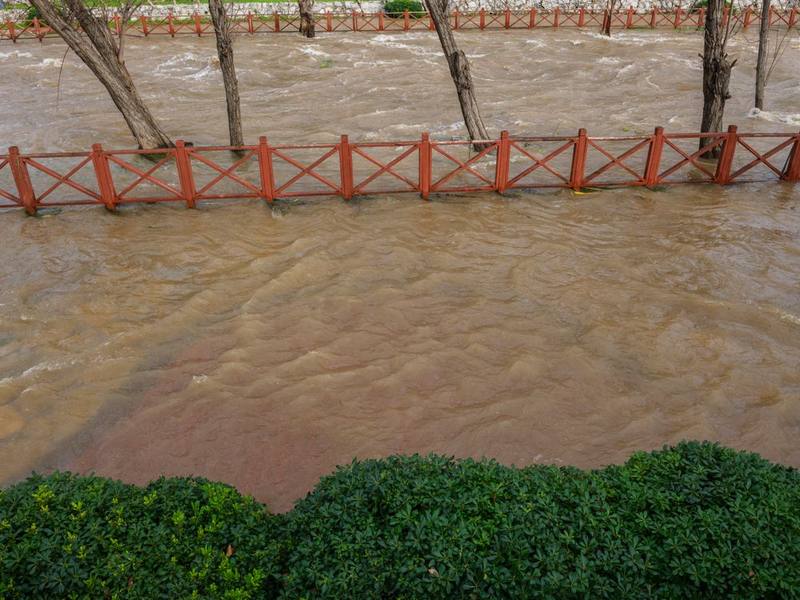
Storm water damage in La Mesa, CA follows a pattern shaped by the city's hills. Winter storms from December to March shed runoff off dry hillsides, water ponds along low ground, and homes on graded lots can take on water at the downhill side even when the rain fell uphill. Flood damage restoration in La Mesa means dealing with that water properly: removing it, drying the structure, removing what the water has ruined, and repairing what is left.
La Mesa Water Damage Restoration handles storm and flood cleanup across La Mesa, in ZIP codes 91941, 91942, 91943 and 91944, including Mt. Helix, La Mesa Village, Grossmont, Fletcher Hills and Lake Murray.
What storm water damage in La Mesa, CA covers
Storm water is usually Category 3 water, which means it carries soil, debris and contaminants from outside. That changes how it is handled. Porous materials it touched are removed rather than dried, and surfaces are cleaned and sanitised. Our storm and flood service covers:
- Emergency water extraction of standing storm and flood water
- Removal of soaked carpet, padding, insulation and drywall
- Structural drying of walls, floors and subfloors
- Cleaning and sanitising of affected surfaces
- Mold prevention, with mold remediation where mold has already appeared
- Repair and rebuild of damaged rooms, including water damaged drywall repair
- Documentation of the full loss for your insurance claim
Storm water is different from a clean supply line leak, and it should not be treated the same way. If flood water has been through your home, do not try to dry and keep soaked porous materials. Call us and let us assess it properly.
Signs you need storm and flood water damage cleanup
Call us straight away if you see any of these after a storm:
- Standing water inside the house, in any room or at the downhill side of the home
- Muddy or dirty water on floors, or debris washed in from outside
- A damp line on walls showing how high the water reached
- Carpet or flooring that is wet through after rain, even if no pipe has failed
- A ceiling stain that appeared during or just after a storm
- A musty smell that started after heavy rain and will not clear
- Water pooling against the outside of a wall, or running in under a door
Storm water can enter slowly and keep spreading for days after the rain has stopped, especially on hillside lots. If you are unsure where it came from, tell us when you call and we will map it properly.
Services we offer
Emergency water extraction
Standing storm and flood water is removed with truck-mounted extraction units and submersible pumps, and furniture is lifted onto blocks and belongings moved out of the water.
Removal of contaminated materials
Carpet, padding, insulation and drywall soaked by storm or flood water are removed and disposed of properly. This is not optional with Category 3 water: what cannot be made safe is removed.
Structural drying
Air movers and dehumidifiers are set to each room and monitored with daily moisture readings until readings confirm the structure is dry, not just until it looks dry.
Cleaning, sanitising and repair
Affected surfaces are cleaned and treated, then drywall, flooring, baseboards and trim are replaced to bring the space back to its condition before the water event.
Causes and common problems in La Mesa
Roof leak water damage
The first heavy storm of the season is when roof leaks show up in La Mesa. Tile and shingle roofs that survived the dry months can let water through at a cracked tile, a worn flashing or a blocked valley, and the water often travels along rafters before it appears as a stain on a ceiling some distance from the leak.
Roof leak water damage usually shows up as a stain spreading across a ceiling, damp patches in an attic, or water dripping from a light fitting. Our work is the interior damage: extraction where water has pooled, drying of the attic and ceiling, and repair of the damaged ceiling and drywall. The roof itself is a roofer's job, and it needs to be fixed before the interior work can be finished, or the water will come back with the next storm.

Irrigation leak water damage
Hillside homes around Mt. Helix, Fletcher Hills and the Grossmont hills depend on irrigation for landscaping, and irrigation lines on sloped lots can soak the uphill wall and slab edge for weeks before anyone notices. A sprinkler line or yard line that leaks against a foundation sends water into the structure slowly, and the first sign is often damp carpet along a wall, a musty smell, or paint bubbling at the base of a wall.
Irrigation leak damage is usually a slow loss rather than a sudden flood, which means mold risk is higher and the moisture may have spread further than it looks. We map the moisture properly, dry the affected structure, and repair the damage. The irrigation line itself is an irrigation specialist's job.
Hillside drainage and Mt. Helix
Mt. Helix is the defining feature of La Mesa's water damage profile. Luxury hillside estates and mid-century homes on graded lots depend on engineered drainage: area drains, french drains, downspout extensions and hardscape grading that manage roof and yard runoff away from foundations. When those systems age, clog with debris and silt, or fail after a heavy rain, water enters the home slowly, sometimes days or weeks after the storm.
We work with drainage specialists when the cause is exterior, and we handle the interior damage: extraction, drying, removal of damaged materials and rebuild. If your home sits on a hillside lot and you have had water entry after rain, tell us about the drainage when you call, because it shapes the whole plan.
Storm runoff and low ground
Winter storms, including atmospheric river events, shed runoff off dry hillsides fast, and water ponds along low ground. Homes at the bottom of a graded lot can take on water at the downhill side even when the rain fell uphill, and a blocked area drain can send water into a lower room with no warning. This is the most common storm pattern in La Mesa, and it is why the downhill rooms of a house deserve a check after every heavy storm, even when the rest of the house looks dry.
Our storm and flood cleanup process in La Mesa, CA
1. Safety first
Do not enter standing flood water, and do not touch electrical fittings in wet rooms. If water is still rising, leave the property and call for help from a safe place.
2. Water extraction
Our crew removes standing water with truck-mounted extraction units and submersible pumps. Furniture is lifted onto blocks and belongings are moved out of the water.
3. Moisture mapping
We map wet materials with moisture meters and thermal imaging. Storm water often travels further than it looks, running inside wall cavities and under flooring, so hidden moisture is mapped before any equipment goes down.
4. Removal of contaminated materials
Carpet, padding, insulation and drywall soaked by storm or flood water are removed and disposed of properly. This contamination cleanup is not optional with Category 3 water. What cannot be made safe is removed.
5. Structural drying
Air movers, LGR dehumidifiers and desiccant drying are set to each room and monitored with daily moisture readings. Equipment stays until readings meet the drying goal, not until the room looks dry. How much equipment a room needs depends on how much material got wet and what it is made of.
6. Cleaning, sanitising and repair
Affected surfaces are cleaned and treated with an antimicrobial treatment, and odour elimination is part of the same stage for rooms left with a musty smell. Then the repair begins: drywall, flooring, baseboards and trim are replaced to bring the space back to its condition before the water event.
Why choose La Mesa Water Damage Restoration
- Storm water treated as Category 3 from the start, with contaminated materials removed rather than dried and kept.
- Moisture mapping with meters and thermal imaging, so water hidden inside walls and under floors is found before drying starts.
- Daily moisture readings during drying, so equipment is removed when the structure is confirmed dry, not on a fixed date.
- Honest scope on the cause: the roof is a roofer's job, irrigation lines are an irrigation specialist's job, and exterior drainage is a drainage specialist's job. We handle the interior damage and work around those trades.
- Full documentation of the extraction, the moisture map and the drying logs, so you have a complete file for your insurance claim.
- Local knowledge of La Mesa's hillside lots, Mt. Helix drainage, and the winter storm pattern from December to March.
Local service coverage
We cover the whole of La Mesa, CA, in ZIP codes 91941, 91942, 91943 and 91944: Mt. Helix, La Mesa Village, Grossmont, Fletcher Hills and Lake Murray. We also serve the nearby East County communities listed on our areas page, including El Cajon, Spring Valley, Lemon Grove, Santee and Lakeside.
Water Damage Restoration Near La Mesa
We serve La Mesa and the nearby communities of El Cajon, Spring Valley, Lemon Grove, Santee and Lakeside. Choose your area for local water damage restoration.
Frequently asked questions
Yes. Water from a burst supply line is clean water. Storm and flood water is Category 3 water, which means it carries soil, debris and contaminants. Porous materials soaked by storm water are removed rather than dried, and the cleaning process is more thorough.
It depends on the policy and the source of the water. A sudden leak through a storm-damaged roof is often treated differently from rising surface water, which usually falls under flood cover. Cover depends on your policy, so check with your own insurer. We document everything so you have a complete claim file.
Extraction usually happens on the first visit. Drying a storm loss usually takes longer than a clean water loss, because more material has to be removed and the structure needs thorough drying. A contained loss can take a week or more from extraction through drying to repair.
Equipment is removed when daily moisture readings meet the drying goal and moisture verification confirms the structure is dry. Readings are recorded through the drying period, so you have a documented record for your insurance claim.
It depends on how long they were wet and what kind of water it was. Hardwood that has cupped badly or been soaked by contaminated water usually has to be replaced. Hardwood wet briefly by clean water can sometimes be dried in place. Our carpet and floor water damage page explains this in detail.
Tell us when you call. We handle the interior damage, and a roofer needs to fix the roof itself before the interior work can be finished. We can extract water and protect the property in the meantime.
Tell us about the drainage when you call, because it shapes the whole plan. We handle the interior damage, and we work with drainage specialists when the cause is exterior. If the drainage is not put right, the water can come back with the next storm, so the cause and the cleanup both need attention.
No. Flood water is contaminated, and a household mop or fan cannot remove the water soaked into flooring, padding and wall bases. Soaked porous materials need to be removed, surfaces need proper cleaning and sanitising, and the structure needs measured drying. Call us and let us assess it properly.
Related services
Related services: Emergency Water Extraction | Structural Drying and Dehumidification | Ceiling Water Damage Repair | Mold Remediation
Storm or flood water in your La Mesa home? Call now
Do not try to dry flood water on your own, and do not keep soaked materials that should be removed. Call La Mesa Water Damage Restoration now for storm water damage and flood damage restoration in La Mesa, CA.
[PHONE NUMBER] Call Now: [PHONE NUMBER]