Mold Remediation in La Mesa, CA
Mold remediation in La Mesa, CA is the work of finding mold after water damage, containing it so it does not spread, removing what cannot be saved, and cleaning the area properly so the problem does not come back. Mold follows water. If a leak, flood or burst pipe has left part of a home damp for more than a day or two, mold is likely already growing somewhere, even if you cannot see it yet.
La Mesa Water Damage Restoration handles mold remediation across La Mesa, in ZIP codes 91941, 91942, 91943 and 91944, including La Mesa Village, Grossmont, Fletcher Hills, Mt. Helix and Lake Murray.
Signs you need mold remediation in La Mesa, CA
Mold is often hidden, so the signs are easy to miss. Call for an inspection if you notice any of these after a leak, flood or storm:
- A musty smell that does not go away, even in a room that looks clean
- Visible black, green or grey growth on walls, ceilings, skirting boards or window frames
- Discoloration or water stains that keep spreading, even after the leak was fixed
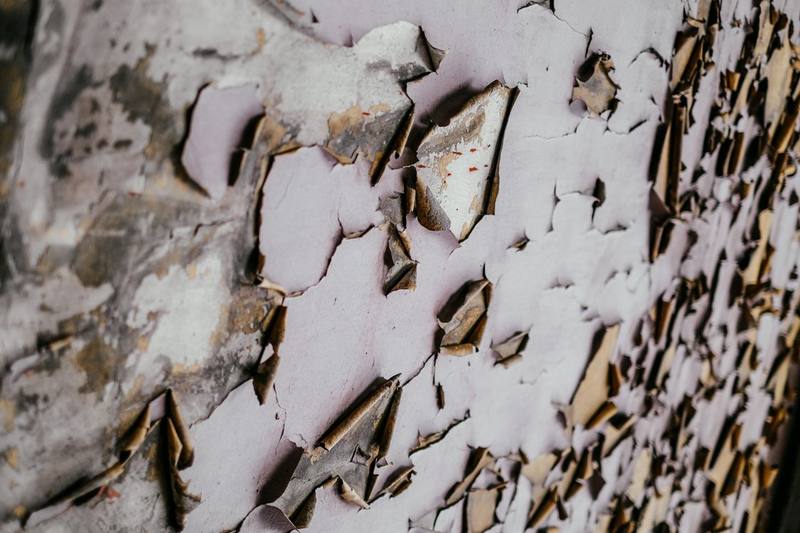
- Paint that bubbles, peels or cracks, or wallpaper coming away from the wall
- Soft spots in drywall, or plaster that feels damp to the touch
- Warped flooring, or a floor that feels spongy underfoot
- Allergy or breathing symptoms that get worse at home and ease when you are out
- Mold that keeps coming back in the same place after cleaning
A musty smell with no visible source is worth investigating on its own. It usually means mold is growing inside a wall cavity, under flooring or above a ceiling, where it cannot be seen from the room.
What mold remediation in La Mesa, CA covers
Mold remediation is not a spray and a wipe. It is a controlled process, carried out to the approach set out in the IICRC S520 standard for professional mold remediation, and it covers:
- Mold inspection to find the full extent of the problem
- Mold testing where needed to confirm what is present and how far it has spread
- Containment of the affected area so mold spores do not spread to clean rooms
- Removal of materials that cannot be cleaned, such as soaked drywall, insulation and carpet padding
- Cleaning and sanitising of surfaces that can be saved, with antimicrobial and antifungal treatment
- Drying of the structure so the damp conditions that allowed mold to grow are gone
- Repair of removed materials once the area is confirmed clean and dry
Remediation only works if the moisture source is dealt with first. If the leak is still active, mold will come back no matter how well the area is cleaned. We will be straight with you about this from the first visit.
Mold testing
Mold testing is part of the remediation process, not a separate service on its own. When we inspect a property, testing helps us confirm what is present and how far the problem has spread, especially where mold is suspected inside a wall cavity or under flooring and cannot be seen directly.
Testing can include air sampling and surface sampling in the affected area, and the results help us set the scope of the removal work. It also gives you a record of the condition before remediation starts. After the work is done, testing can confirm that the area is clean before repair begins.
Testing on its own does not fix mold. It is a tool that guides the remediation, and it is most useful when it is part of a full job that includes containment, removal, cleaning and drying.
Mold inspection
Mold inspection is the first step of any remediation job. Our technicians inspect the property to find where mold is growing, how far it has spread, and what caused the damp conditions that allowed it to grow.
An inspection covers visible mold on walls, ceilings and floors, and it also looks for the signs of hidden mold: musty smells, water stains, soft drywall, warped flooring and damp readings inside wall cavities. Moisture mapping with moisture meters and thermal imaging helps find damp areas that are not visible from the surface.
The inspection sets the scope of the work. A small, contained patch of surface mold is a very different job from mold spread through a wall cavity or across a ceiling, and the inspection is what tells us which one we are dealing with.
If you have found a small patch of mold and you are not sure whether it needs professional help, call us and describe what you see. We will tell you honestly whether it is something you can handle yourself or something that needs a proper remediation job.
Why mold follows water damage in La Mesa
La Mesa's housing and climate make mold a common follow-on from water damage.
- Older homes in La Mesa Village. Craftsman bungalows and Spanish revival houses from the 1910s to the 1930s carry original plumbing and wood-frame structure. A slow leak inside a wall can create damp conditions for weeks before anyone notices, and by then mold is often well established inside the cavity.
- Mid-century ranch homes. Homes across Grossmont and Fletcher Hills sit on concrete slabs, and water under flooring can stay damp for a long time if it is not mapped and dried properly. Mold under flooring is easy to miss and hard to fix once it spreads.
- Hillside homes. Homes around Mt. Helix and Fletcher Hills can take on water through hillside drainage failures, and slow water entry after rain creates the damp conditions mold needs.
- Warm climate. La Mesa runs warmer than coastal San Diego, and warm, damp conditions help mold grow faster once water is present.
Mold can begin growing within 24 to 48 hours in damp conditions. That is why fast drying after any water event matters so much, and why a leak that was dried quickly is far less likely to turn into a mold job.
Our mold remediation process in La Mesa, CA
1. Inspection and testing
We inspect the property, map the moisture, and test where needed to confirm the extent of the mold. We also identify the moisture source and whether it has been fixed.
2. Containment
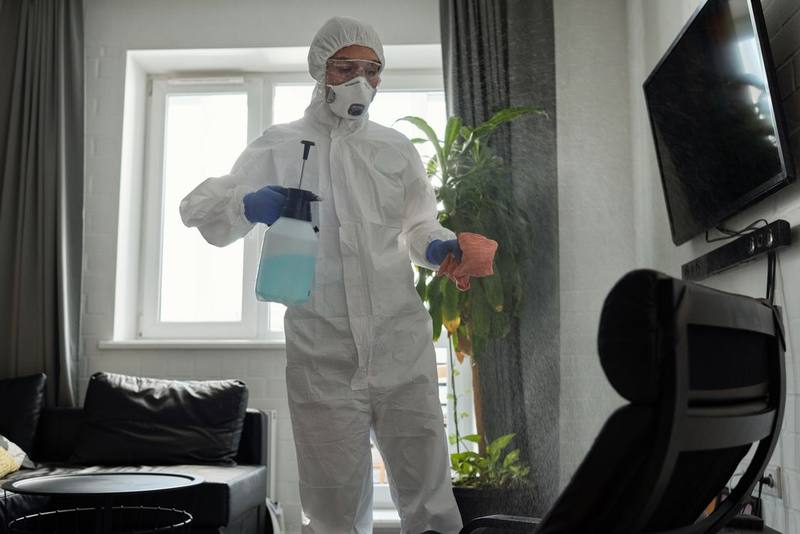
The affected area is sealed off with plastic sheeting and negative air pressure where needed, so mold spores do not spread to clean rooms during the work. Furniture and belongings are protected or moved out.
3. Removal
Materials that cannot be cleaned are removed and disposed of properly. This usually includes soaked drywall, insulation and carpet padding. Materials that can be cleaned are kept.
4. Cleaning and sanitising
Surfaces are cleaned with professional-grade antimicrobial treatments, and antifungal treatment is applied to walls, ceilings and concealed cavities to stop new colonies forming. HEPA air scrubbers run during the work to capture airborne spores.
5. Drying
The structure is dried with air movers and dehumidifiers, monitored with daily moisture readings. This is the structural drying stage, and it is essential, because mold returns if the damp conditions remain.
6. Verification and repair
Once the area is confirmed clean and dry, removed materials are replaced. Drywall, flooring and trim are repaired to bring the space back to its condition before the damage. Our water damaged drywall repair service covers this stage. Moisture readings and photographs from the job give you a documented record for your insurer.
Health and safety
Mold can affect health, especially for children, older people and anyone with asthma, allergies or breathing conditions. Mold spores that develop on wet surfaces can enter the body through breathing and are known to trigger breathing problems and allergic reactions. If anyone in the house has breathing difficulties and you have found mold, keep them out of the affected rooms and seek medical advice if symptoms appear.
Do not try to clean a large area of mold yourself with household products. Scrubbing mold without containment spreads spores to other rooms, and bleach does not fix mold inside drywall or under flooring. Small surface patches can sometimes be handled with care, but anything larger than a small patch, anything inside a wall, or anything that keeps coming back needs professional remediation.
Why choose La Mesa Water Damage Restoration for mold remediation
- Containment first. The affected area is sealed off before any removal starts, so the rest of your home stays clean.
- Testing that guides the work. Inspection and testing set the scope before we cut anything out, so you only pay for the work the job actually needs.
- Drying included, not assumed. Every remediation includes structural drying to measured readings, because mold returns when damp conditions remain.
- Honest scope. If a patch is small enough to handle yourself, we will say so. If the moisture source is still active, we will say that too, before work starts.
- Full documentation. Moisture maps, daily drying readings and photographs give your insurer a complete file.
Local service coverage
We provide mold remediation across all of La Mesa, in ZIP codes 91941, 91942, 91943 and 91944:
- La Mesa Village: craftsman and Spanish revival homes where slow leaks inside walls are the usual cause.
- Grossmont: ranch homes and multi-family property around the hospital and shopping centre.
- Fletcher Hills: mid-century homes on graded lots, where water under flooring is the common pattern.
- Mt. Helix: hillside homes where drainage failures feed slow, hidden damp.
- Lake Murray: tract homes where water can sit under flooring on concrete slabs.
If you are just outside La Mesa, in El Cajon, Spring Valley, Lemon Grove, Santee or Lakeside, call us and tell us where you are. We cover the surrounding East County area as well.
Water Damage Restoration Near La Mesa
We serve La Mesa and the nearby communities of El Cajon, Spring Valley, Lemon Grove, Santee and Lakeside. Choose your area for local water damage restoration.
Frequently asked questions
Look for visible growth on walls, ceilings or floors, musty smells, water stains, soft or bubbling paint, and warped flooring. Mold often grows where you cannot see it, inside wall cavities and under flooring, so a musty smell with no visible source is worth investigating.
Testing tells us what is present and how far it has spread, which guides the remediation. It is not a health diagnosis. If you have health concerns about mold exposure, speak to a medical professional.
It can, if the moisture source returns. Remediation removes the mold and dries the structure, but a new leak will create new damp conditions. That is why fixing the source of the water is part of every job, and why we check the moisture readings before we call the work finished.
A small, contained job can take a few days. A larger job involving wall cavities, ceilings or multiple rooms can take one to two weeks, including drying and repair. The exact time depends on how far the mold has spread and how much material needs to be removed.
It depends on the size of the job. Small, contained jobs can often be done while you stay in the house, with the affected area sealed off. Larger jobs may need you to stay elsewhere while the work is done. We will talk you through this before work starts.
Mold removal means taking out the mold you can see. Mold remediation is the full job: inspection and testing, containment, removal of what cannot be saved, cleaning and sanitising, drying the structure, and repair. Removal on its own leaves the damp conditions in place, so the mold usually comes back. Remediation deals with the cause as well as the growth.
It depends on what caused the water. A sudden and accidental loss, such as a burst supply line, is often covered after the deductible, and mold that followed it may be covered too. Mold from a long-term slow leak or from neglect is usually excluded. Coverage depends on your policy, so check with your own insurer. We provide moisture maps, readings and photographs for your claim file either way.
Related services
Related services: Emergency Water Extraction | Structural Drying & Dehumidification | Ceiling Water Damage Repair | Water Damaged Drywall Repair
Mold after water damage? Call now
If you have found mold after a leak or flood, or you can smell it but cannot see it, call La Mesa Water Damage Restoration now for mold remediation in La Mesa, CA.
[PHONE NUMBER] Call Now: [PHONE NUMBER]