Carpet Water Damage in La Mesa, CA
Carpet water damage in La Mesa, CA is one of the most common results of a leak or flood, because carpet and padding soak up water fast and hide it well. A carpet can look only damp on the surface while the padding underneath is soaked through and the subfloor is wet. Our service covers carpets, hardwood, laminate and tile, and it starts with an honest answer to the first question: can this floor be saved, or does it have to go?
La Mesa Water Damage Restoration handles carpet and floor water damage across La Mesa, in ZIP codes 91941, 91942, 91943 and 91944, including La Mesa Village, Grossmont, Fletcher Hills, Mt. Helix and Lake Murray.
Signs your carpet or floor needs professional help in La Mesa, CA
Wet flooring does not always look wet. Call us if you notice any of these after a leak, flood or storm:
- Carpet that feels damp, squelches underfoot, or stays dark in patches
- A musty smell coming from the floor, even after the room looks dry
- Hardwood boards cupping at the edges, or gaps opening between boards
- Laminate planks swelling, lifting or separating at the joints
- Tiles that sound hollow when tapped, or grout that stays dark and damp
- Skirting boards that have swollen, stained or pulled away from the wall
- A floor that feels spongy or uneven where it used to feel solid
- Water stains on the ceiling below, which usually means the floor above is wet too
Hidden moisture under flooring is the problem that causes the most long-term damage. A floor that looks dry on the surface can still be wet underneath, and that trapped moisture feeds mold and rots the subfloor.
What carpet water damage in La Mesa, CA covers
Water affects every type of flooring differently, and the right response depends on the material and the kind of water. Our service covers:
- Carpet and carpet padding: extraction, drying, and honest advice on whether the carpet can be saved
- Hardwood floors: drying, monitoring for cupping, and repair or replacement where needed
- Laminate flooring: assessment and removal where the core has swollen, since swollen laminate cannot be dried back into shape
- Tile floors: drying of grout and the subfloor beneath, and checking for water trapped under tiles
- Subfloor drying: drying the wood or concrete beneath the floor covering, which is where hidden moisture causes the most long-term damage
- Baseboards and trim: removal and replacement where they have wicked up water
- Documentation of the full loss for your insurance claim
Can wet carpet be saved?
It depends on three things: what kind of water it is, how long it has been wet, and whether the padding and subfloor can be dried.
Clean water, caught early. Carpet wet by a clean supply line leak and extracted within hours can often be saved. The padding may still need to be replaced, because padding soaks up water and dries slowly, but the carpet itself can often be dried, cleaned and put back.
Clean water, left for days. Carpet that has stayed wet for days is a different story. The padding is usually ruined, the subfloor may be wet, and mold can already be growing underneath. At that point, removal is usually the right call.
Contaminated water. Carpet soaked by sewage or flood water is removed and disposed of. This is not optional. Porous materials touched by Category 3 water cannot be made safe by drying alone. Hard flooring in the same room is assessed separately, because it can sometimes be cleaned and saved.
We will tell you honestly which outcome applies to your floor after we have checked the moisture readings. We do not promise to save carpet that should be removed, and we do not remove carpet that can be dried.
Hardwood floors after water damage
Hardwood is common in older La Mesa homes, and it reacts to water in a particular way. Boards absorb moisture from the edges and cup upwards, gaps open between boards, and the finish can cloud or peel. Hardwood that has cupped can sometimes be dried back into shape if drying starts early and is monitored carefully with moisture readings. This takes patience: the boards need to dry slowly and evenly, or they can crack or crown.
Hardwood that has been soaked for a long time, or soaked by contaminated water, usually has to be replaced. We measure the moisture in the boards and the subfloor beneath them, and we give you a straight answer about whether drying or replacement is the right choice.
Laminate and tile floors
Laminate flooring has a fibre core that swells when it gets wet, and swollen laminate cannot be dried back into shape. Small areas of laminate damage can sometimes be repaired by replacing individual planks, but a large wet area usually means the laminate has to come up so the subfloor can be dried.
Tile is different. Tiles themselves do not absorb water, but grout does, and water can get under tiles through cracks in the grout or at the edges. We check the subfloor beneath tile for trapped moisture, because a tile floor that looks fine on the surface can hide a wet subfloor that feeds mold growth.
Our carpet and floor drying process in La Mesa, CA
1. Extract the water
Standing water is removed with truck-mounted and portable extraction units. Weighted extraction tools press water out of carpet and padding.
2. Lift and check
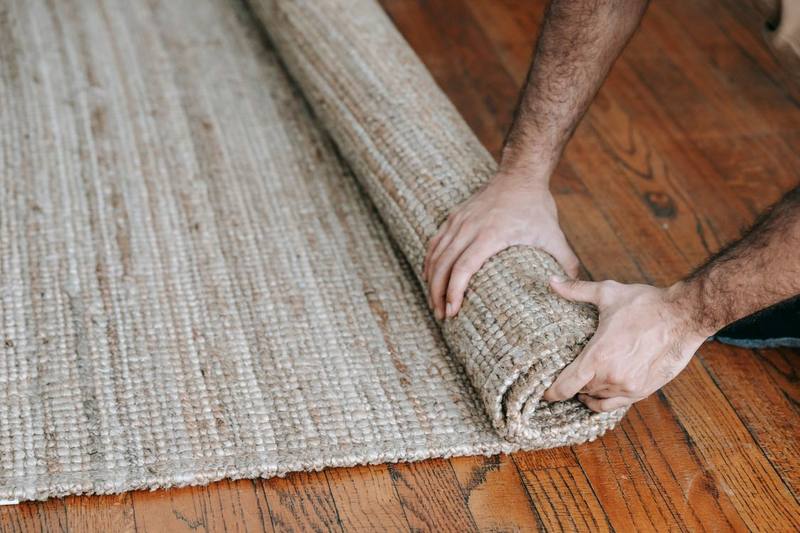
Carpet is lifted at the edges so we can check the padding and subfloor beneath it. This is where the real extent of the damage usually shows up. Moisture mapping with meters and thermal imaging shows how far the water has travelled under the floor.
3. Remove what cannot be saved
Soaked padding, swollen laminate and carpet touched by contaminated water are removed and disposed of properly.
4. Dry the structure
Air movers and dehumidifiers dry the subfloor and the structure beneath it, monitored with daily moisture readings. This is the structural drying stage, and it is essential: new flooring laid over a damp subfloor will fail.
5. Clean and repair
Carpet that can be saved is cleaned and refitted, with antimicrobial treatment where needed. Hardwood that can be saved is dried and refinished where needed. New flooring, baseboards and trim are fitted where replacement was needed, matched to the existing finishes wherever possible. This is the dry, demo, rebuild and repaint sequence: the floor is only rebuilt once the structure beneath it is confirmed dry.
Flooring in La Mesa homes
La Mesa's housing stock means we see the full range of flooring. Mid-century ranch homes across Grossmont and Fletcher Hills often have concrete slabs with carpet, tile or laminate laid over them, and water under flooring on a slab needs patient drying because concrete holds moisture and releases it slowly. Older homes in La Mesa Village often have hardwood floors that need careful drying to avoid cupping and cracking. Newer flooring in renovated homes can include engineered wood and luxury vinyl, which react differently again. We plan the drying around the floor you actually have, not around a generic checklist.
Why choose La Mesa Water Damage Restoration for carpet and floor water damage
- An honest save-or-remove answer. Moisture readings, not guesswork, decide whether your floor can be saved.
- The subfloor is checked, not skipped. Carpet is lifted and the padding and subfloor are mapped, so hidden moisture is found before it causes mold.
- Drying to readings. Air movers and dehumidifiers run until the subfloor is dry, so new flooring is never laid over damp timber or concrete.
- Finishes matched. Replacement flooring, baseboards and trim are fitted to match the surrounding floor as closely as possible.
- Full documentation. Moisture maps, readings and photographs give your insurer a complete file for the flooring claim.
Local service coverage
We handle carpet and floor water damage across all of La Mesa, in ZIP codes 91941, 91942, 91943 and 91944:
- La Mesa Village: hardwood floors in craftsman and Spanish revival homes, where careful drying protects the boards.
- Grossmont: carpet and tile over concrete slabs in ranch homes and multi-family property.
- Fletcher Hills: mid-century homes where water under flooring on a slab is the usual pattern.
- Mt. Helix: hillside homes where water enters from the downhill side and runs under flooring.
- Lake Murray: tract homes with a mix of carpet, laminate and tile over slabs.
If you are just outside La Mesa, in El Cajon, Spring Valley, Lemon Grove, Santee or Lakeside, call us and tell us where you are. We cover the surrounding East County area as well.
Water Damage Restoration Near La Mesa
We serve La Mesa and the nearby communities of El Cajon, Spring Valley, Lemon Grove, Santee and Lakeside. Choose your area for local water damage restoration.
Frequently asked questions
Extraction happens on the first visit. Drying usually takes three to five days for a contained loss, longer if the subfloor is wet. Equipment is removed when moisture readings confirm the carpet, padding and subfloor are dry, not on a fixed date.
A carpet dried quickly after a clean water loss usually does not smell. A carpet that stayed wet for days, or was soaked by contaminated water, will smell, and that is a sign it should be removed rather than dried. We treat odour as a symptom, not as a problem to cover up.
We fit replacement flooring to match the surrounding floor as closely as possible. With older hardwood or discontinued laminate, an exact match is not always possible, and we will talk you through the options before work starts.
If you can do so safely, lifting carpet at the edges to let air underneath can help, but do not pull up large areas on your own. Carpet is heavy when wet, tack strips can injure hands, and you may disturb mold growing underneath. Call us and let us handle it properly.
Tell us when you call. Burst pipe losses are usually clean water, which is the best case for saving flooring. Storm and flood water is Category 3 water, which means soaked carpet and padding are removed rather than dried. Our burst pipe water damage cleanup and storm and flood water damage pages explain both cases.
Odour is treated at the source, not covered up. Once the wet material is removed and the subfloor is dry, affected surfaces are cleaned and treated, and the room is dried fully before any new flooring goes in. If a musty smell lingers after drying, it usually means something is still wet or still needs to come out, and we investigate rather than masking it.
It depends on the cause and your policy. A sudden and accidental loss, such as a burst supply line, is often covered after the deductible, including the flooring that had to be removed. Damage from a long-term slow leak is usually excluded. We document the full loss with moisture maps, readings and photographs, so your insurer has the file it needs to decide.
Related services
Related services: Emergency Water Extraction | Structural Drying & Dehumidification | Water Damaged Drywall Repair | Mold Remediation
Wet carpet or floors in La Mesa? Call now
Do not leave wet flooring to dry on its own. The moisture underneath is doing damage you cannot see. Call La Mesa Water Damage Restoration now for carpet water damage in La Mesa, CA.
[PHONE NUMBER] Call Now: [PHONE NUMBER]